

The Ties That Bind Us
What Breath Reveals About Economy - A One Living System reflection on economy, circulation and the systems that bind us

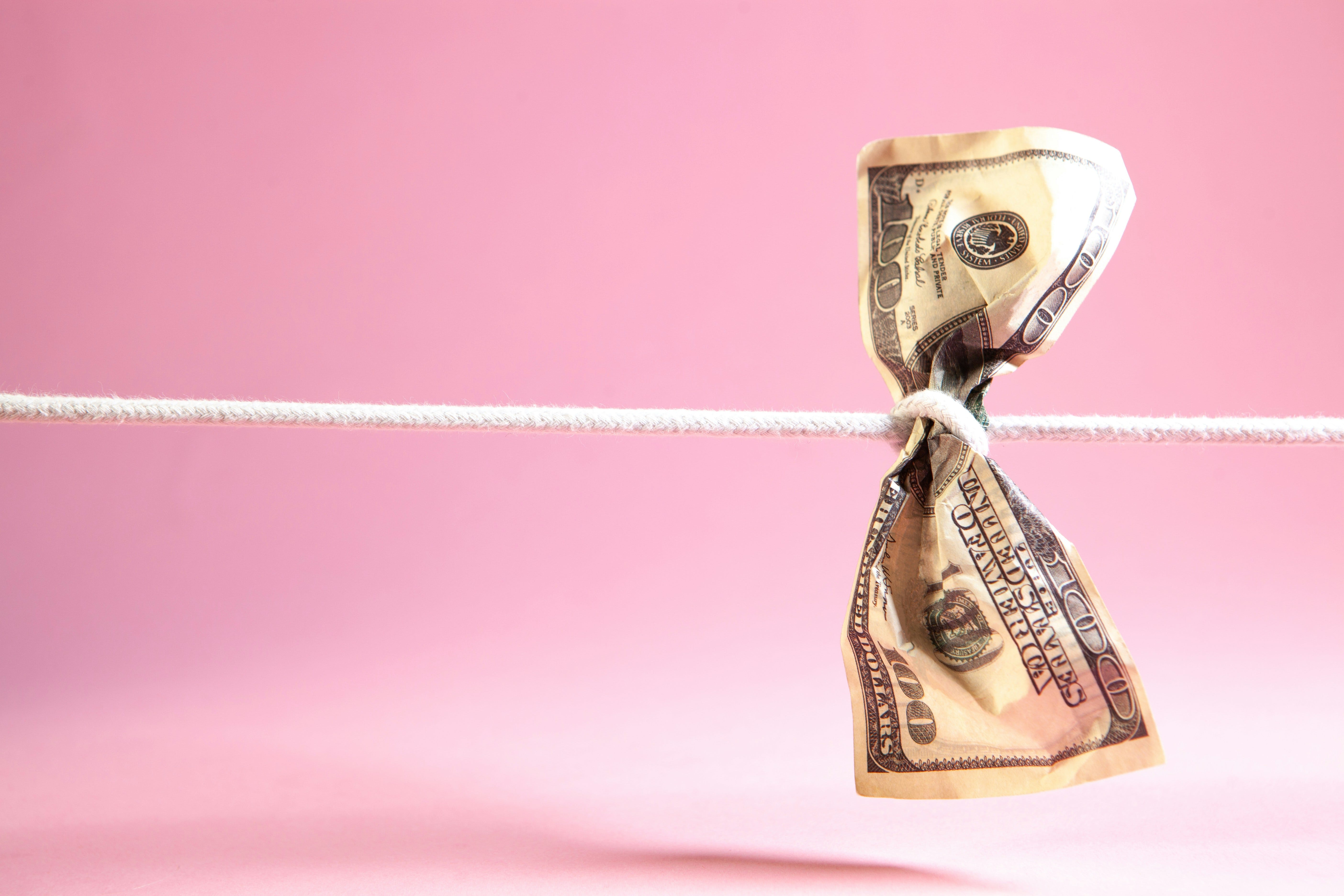
When Economy Stops Circulating Life
So let us step into economy.
Because economy is what binds us.
Not only in markets.
Not only in budgets.
Not only in policy, trade, interest rates, wages, mortgages, rent, or the price of bread.
Economy binds us to what is.
It binds people to places they may no longer be able to afford.
It binds families to debt they did not create alone.
It binds bodies to work beyond capacity.
It binds young people to futures already priced beyond reach.
It binds education to repayment.
It binds health to access.
It binds housing to lifelong obligation.
It binds time to survival.
And it binds imagination itself when people can no longer afford to ask what else might be possible.
Many would change tomorrow.
Many would build somewhere new.
Many would leave what is no longer aligned.
Many would begin again.
But the economy ties us to the current order.
This is why economy must be one of the first places we look.
Not because economy is separate from Life.
But because economy has become one of the clearest places where we can see what happens when a living system is no longer tending life.
We have been led into a paradigm where accumulated debt has become normal.
Housing debt.
Health debt.
Education debt.
Time debt.
Emotional debt.
Ecological debt.
Generational debt.
And yet housing, health, and education are not luxuries.
They are not rewards for successfully surviving an economy.
They are foundational conditions through which human life is able to flourish.
To be housed.
To be cared for.
To learn.
To heal.
To belong.
To participate.
To develop capacity.
To share our capacity.
To contribute.
These are not excesses.
They are not indulgences.
They are not secondary to the economy.
They are what any economy worthy of Life should hold to protect, nourish, and make possible.
And yet, so much of the current world order has inverted this.
Instead of economy serving Life, Life is increasingly asked to serve economy.
The question becomes:
Can you afford to live?
Can you afford to be well?
Can you afford to learn?
Can you afford to rest?
Can you afford to leave?
Can you afford to begin again?
Can you afford to participate in the very life you were born into?
This is not a living economy.
It is a binding economy.
And One Living System asks us to look beneath the visible crisis.
Not only at the cost of living.
But at the pattern of living that produced it.
Not only at debt.
But at the deeper belief that life should be accessed through debt.
Not only at scarcity.
But at the systems that withhold care, then call people dependent when they ask for what should never have been removed.
The question is not simply:
How do we make the economy grow?
The question is:
What is the economy growing?
Is it growing health?
Is it growing belonging?
Is it growing capacity?
Is it growing relationship?
Is it growing ecological repair?
Is it growing shared resilience?
Is it growing futures?
Or is it growing exhaustion?
Isolation?
Extraction?
Debt?
Fear?
Dependency?
Disconnection?
The first example of Life’s economy is breath.
Before money, there is breath.
Before exchange, there is breath.
Before labour, there is breath.
Before ownership, there is breath.
Breath teaches the living pattern of economy.
The flow of give and receive.
Inhale.
Exhale.
Receive.
Release.
Take in.
Give out.
If you hold the breath, you die.
If you refuse the breath, you die.
Life moves through circulation.
Not hoarding.
Not withholding.
Not endless accumulation.
Not extraction without return.
Circulation.
This is economy.
A living economy tends.
It nourishes.
It cares.
It fulfils.
It repairs.
It grows.
It gives capacity.
It allows life to continue.
It allows life to participate.
It allows life to become.
Everything an economy should do is revealed through breath.
Life already reveals everything if we would only look to see its way.
Breath does not ask the body to earn oxygen.
Breath does not make the lungs compete against the heart.
Breath does not tell the cells they are only worthy of circulation if they are productive enough.
Breath does not hoard itself in one organ while the rest of the body collapses.
Breath moves because Life depends on movement.
It is received.
It is shared.
It is transformed.
It is returned.
And through this movement, the whole body lives.
Through this movement, all of Life lives.
How different this is from an economy that binds people to survival while calling it freedom.
How different this is from an economy that withholds what is essential, then sells it back through debt.
How different this is from an economy that teaches us to fear one another because there may not be enough.
The current economic system is straining under the weight of its own pattern.
There is fear everywhere about what comes next.
Fear of collapse.
Fear of inflation.
Fear of automation.
Fear of migration.
Fear of ageing populations.
Fear of housing markets falling.
Fear of housing markets rising.
Fear of not enough workers.
Fear of not enough jobs.
Fear of government spending.
Fear of government retreat.
Fear of change itself.
And Living Economies are not about Fear - they are about Oneness, Connection, Wholeness, Capacity and Thriving.
And much of this fear is intensified by a media culture that too often feeds dread more easily than possibility.
But fear is not vision.
And panic is not stewardship.
A living system does not only ask what is failing.
It asks what is trying to emerge.
Across the world, there are signs that the measure of economy is beginning to be questioned.
Scotland has been developing a wellbeing-economy approach and is part of the Wellbeing Economy Governments partnership alongside places such as Iceland, New Zealand, Wales and Finland.
Bhutan has long been known for Gross National Happiness, a way of naming national progress through more than gross domestic product alone.
Community wealth building, circular economies, wellbeing budgets, local exchange, cooperatives, mutual aid, universal basic income, commoning, gift economies, and grassroots local economies all point toward the same deeper realisation:
Economy cannot remain only a system for producing and distributing money.
It must become a system for sustaining life.
And this is where One Living System becomes the witness.
Because a living economy is not simply an economy where everyone does whatever they personally want.
That is not how living systems work.
Living systems are not individualism dressed in softer language.
Every part belongs to the whole.
Every part has capacity.
Every part contributes in relation.
Every part is nourished by the system it helps sustain.
Like the Breath that is one that flows through all.
The heart does not become more itself by abandoning the lungs.
The roots do not become more themselves by refusing the soil.
The river does not become more itself by keeping all water to itself.
Life becomes through relationship.
So an aligned economy does not ask:
How can each individual maximise personal gain?
Nor does it ask:
How can everyone be made the same?
It asks:
How does each part become fully alive in a way that strengthens the whole?
What does each person carry?
What capacity is here?
What care is needed?
What exchange is possible?
What must circulate?
What must be protected from extraction?
What must return to place?
What must be held in common?
At the simplest level, economy is made of things and relationships.
Things matter:
Food.
Homes.
Tools.
Land.
Water.
Medicine.
Books.
Materials.
Transport.
Technology.
Physical capital.
But things alone are not economy.
Relationships make economy live.
Trust.
Care.
Exchange.
Skill.
Kinship.
Neighbourhood.
Reciprocity.
Teaching.
Repair.
Shared responsibility.
Mutual dependence.
Without relationships, things become commodities only.
With relationships, things become part of a living field.
This is why grassroots economy matters.
Because localisation returns economy to relationship.
It asks what can be grown here.
Shared here.
Repaired here.
Exchanged here.
Taught here.
Held here.
Promised here.
Protected here.
It asks what happens when economy is no longer abstracted away from the people and places it affects.
A gift box at the gate is not a small thing.
It is a sign of another economy already present.
Fruit shared from a tree.
Seedlings left for neighbours.
Books exchanged.
Meals cooked.
Tools borrowed.
Skills offered.
Care circulated.
Local pooling.
Community exchange.
Practical livelihood-making.
These are not sentimental gestures.
They are living-system signals.
They reveal that another economic pattern already exists wherever people remember that Life is sustained through circulation.
And yet we should be honest.
People cannot build a living economy while trapped in a binding one without support.
This is why something like universal basic income matters as a possible bridge.
Not as the whole solution.
Not as a final vision.
But as a threshold mechanism.
A way of loosening survival’s grip so people can breathe again.
A way of returning some agency to those whose lives have been captured by precarity.
A way of making it possible for people to care, learn, create, repair, raise children, support elders, build local systems, and participate beyond the desperation of immediate survival.
Because when people are bound by fear, their capacity narrows.
When people are given room to breathe, capacity returns.
This is not only economics.
It is biology.
It is ecology.
It is Life.
A system under chronic stress cannot become creative.
A body under chronic threat cannot easily heal.
A community under chronic scarcity cannot easily trust.
A culture under chronic exhaustion cannot easily imagine.
So the question becomes:
What would an economy look like if it behaved more like breath?
What would it circulate?
What would it nourish?
What would it refuse to withhold?
What would it repair?
What would it grow?
What would it make possible?
What would it never ask Life to sacrifice?
A living system economy begins with foundations.
Housing as belonging.
Health as care.
Education as capacity.
Food as nourishment.
Water as sacred continuity.
Work as contribution.
Rest as regeneration.
Exchange as relationship.
Wealth as circulation.
Growth as flourishing.
It would not ask whether Life can afford to be sustained.
It would ask what kind of economy is worthy of sustaining Life.
And perhaps this is why economy is the first tie we must look at.
Because if economy binds us to the world as it is, then transforming economy becomes part of how we loosen ourselves toward the world that could be.
Not through haste.
Not through ideology.
Not through another abstract system imposed from above.
But through living pattern.
Through breath.
Through circulation.
Through local return.
Through shared care.
Through structures that restore agency.
Through practical livelihoods.
Through things and relationships brought back into right relation.
The economy we have inherited asks us to keep serving what is already collapsing.
But Life asks another question.
What would we build if the economy no longer bound us to fear?
What would we grow if care circulated first?
What would we become if housing, health, and education were treated as foundations rather than debts?
What futures could form if economy remembered how Life breathes?
Because the purpose of economy was never meant to be endless accumulation.
It was meant to help Life continue.
To tend.
To nourish.
To care.
To fulfil.
To repair.
To grow.
To give capacity.
To allow the whole to live.
And where economy begins to breathe again, Life begins to move.
So this is a place to stand.
That an economy should not bind people to fear.
That housing, health, education, food, water, care, rest, and participation are not luxuries to be earned after the economy has been satisfied.
They are the foundations through which Life becomes possible.
That wealth should circulate where Life is being sustained.
That no system should be called successful while the people inside it are exhausted, indebted, isolated, displaced, or afraid.
That growth should mean the growth of capacity, belonging, repair, dignity, and shared futures.
That economy must return to its living purpose:
to serve Life.
To give people enough ground beneath them, enough breath within them, and enough room around them to participate in the world not from desperation, but from agency.
This is what I stand for.
An economy that breathes.
An economy that tends.
An economy that allows the whole to live.
I'm sorry I'm so jaded on AI-generated multi-lined repetitious drivel that is not informative, nor actually wants my opinion. Cari, boil it down or keep it to yourself. My time is valuable - so is yours, and the power it takes to create that can be put to better use. (sorry to drop sh*t on your work; it might have good points but I don't have time to figure it out. Of course, I could, like many, use AI to glean the meaning, but that's multiplying the problem.)
🙏🙏